Pressure injuries often begin below the surface of the skin before they can be seen. Sub-epidermal moisture, or SEM, is one of the earliest measurable signs that tissue damage may be developing.
SEM assessment helps clinicians detect early tissue changes, act sooner, and monitor whether prevention efforts are working.
What Is SEM?
SEM stands for sub-epidermal moisture. It refers to fluid that collects beneath the outer layer of the skin when tissue becomes inflamed.
This fluid build-up can happen when pressure or shear damages cells below the skin surface. At this stage, the skin may still look normal, but the tissue underneath may already be under stress.
The Detection Effect
Seeing the Warning Signs Before They Surface
Traditional visual skin assessments rely on what clinicians can see or feel. But pressure injury damage can begin before redness, discoloration, blistering, or skin breakdown appears.
SEM assessment detects and measures persistent focal edema build-up beneath the skin. Raised SEM readings can indicate early tissue damage before it is visible at the surface.

Why This Matters
Early detection gives clinicians a critical window to act.
Instead of waiting for visible skin damage, care teams can identify areas of concern earlier and focus prevention efforts on the exact anatomy where damage may be developing.
Simple Way to Think About It
SEM assessment helps reveal hidden tissue damage before it becomes a visible pressure injury.
The Treatment Effect
Turning Early Detection Into Action
A raised SEM reading is not just information, it is a condition for clinical intervention.
When SEM levels are elevated, the affected area can be treated as an early pressure injury, even if the skin still appears intact. This may include interventions such as offloading pressure, repositioning, protecting the skin, and reviewing the patient’s care plan.
Treating the Right Area at the Right Time
Because SEM assessment is anatomy-specific, it helps clinicians understand where tissue damage may be developing.
That means prevention can be more targeted, rather than relying only on broad risk scores or general prevention bundles.
Simple Way to Think About It
Trust the science, treat the Delta. An elevated SEM DeltaTM tells the care team, “This area needs attention now.”
The Prevention Effect
Stopping the Cascade Before Skin Breaks Down
When early tissue damage is detected and treated, the goal is to interrupt the pressure injury damage cascade before visible injury occurs.
The evidence summary describes reductions in pressure injury incidence when SEM assessment technology is used alongside existing standards of care.

Monitoring Whether Care Is Working
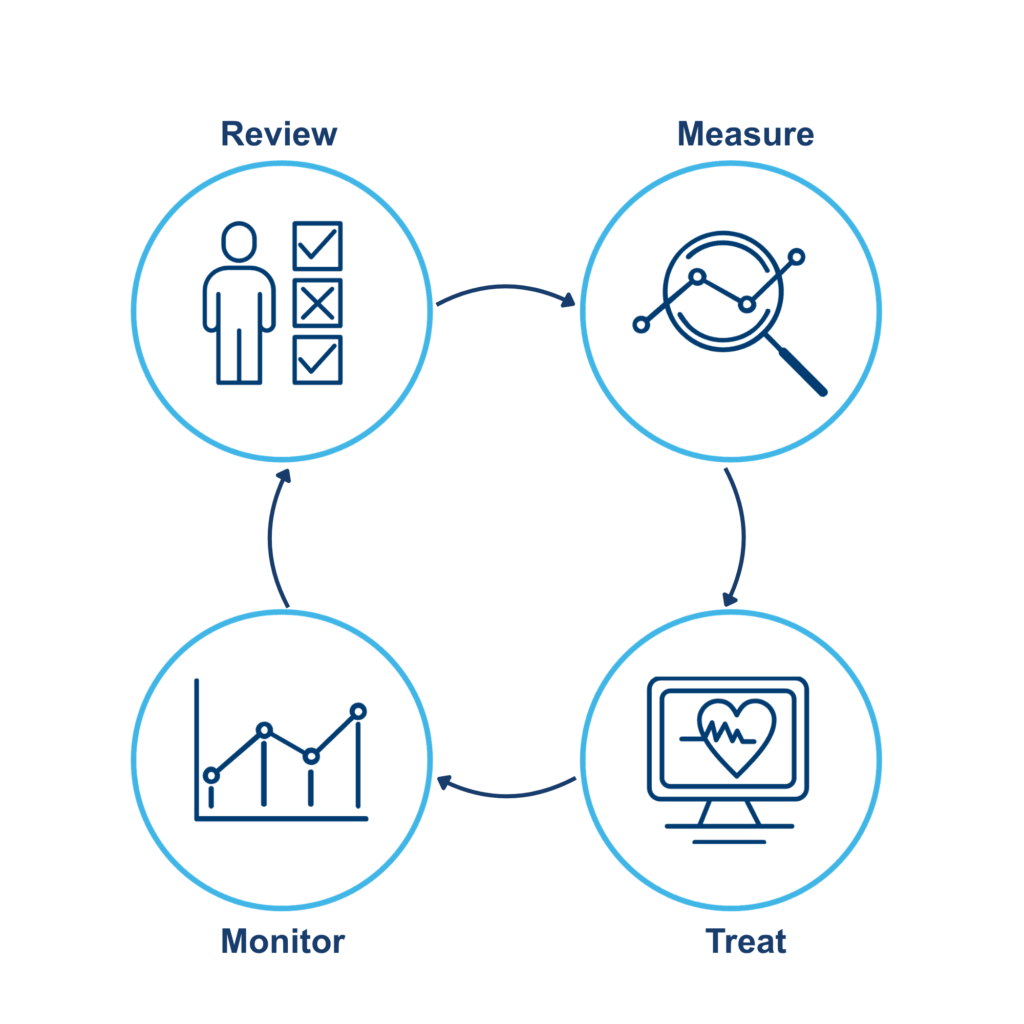
SEM scanning can also help clinicians monitor whether interventions are having the desired effect.
If SEM Delta values decrease, it may suggest that tissue stress is improving. If they remain elevated, the care plan may need to be reviewed or intensified.
Simple Way to Think About It
SEM scanning helps clinicians detect, act, and reassess before damage becomes visible.
Detection, Treatment and Prevention: How They Work Together
SEM scanning supports pressure injury prevention in three connected ways:
- Detection: identifies early, non-visible tissue damage.
- Treatment: prompts targeted action at the affected anatomy.
- Prevention: helps stop developing damage before it progresses to visible injury.
Together, these effects help move pressure injury care from reactive to proactive.
Why This Is Important
By the time a pressure injury is visible, tissue damage may already be advanced.
SEM assessment gives clinicians earlier insight into what is happening beneath the skin, helping them protect vulnerable patients sooner and make more informed prevention decisions.