Keep Skin Intact with Early Objective Intervention
Let's TalkThe definition of pressure injury prevention is keeping skin intact. Your team is working harder than ever triaging risk, documenting assessments, and managing interventions.
But they still find pressure injuries they couldn’t see coming. Bruin Biometrics changes that with an early, objective indication to detect and treat pressure injuries 5 days (median) earlier than VSA.1 Let us help you and your team stop preventable PIs.
Key Results
- 93%
- Proven PI Reduction in Systematic Review2
- 5 Days
- Earlier PI Detection than VSA1
- 90+
- Peer-Reviewed Publications
- >7 Hours
- Nurse Time Savings Per Day Per Unit3
- 100%
- Effective Across All Skin Tones4
Clinical Challenges We Solve

Early Intervention
Prevention requires early intervention. Early intervention requires SEM scanning.

Optimize Workflows
Eliminate repetitive tasks and unnecessary interventions that do not improve outcomes.

Clear Documentation
Generate accurate, defensible clinical documentation consistently.

Focus on Patients
Simplify clinical and coding workflows to spend more time with patients.
A Crystal Ball for PI Detection
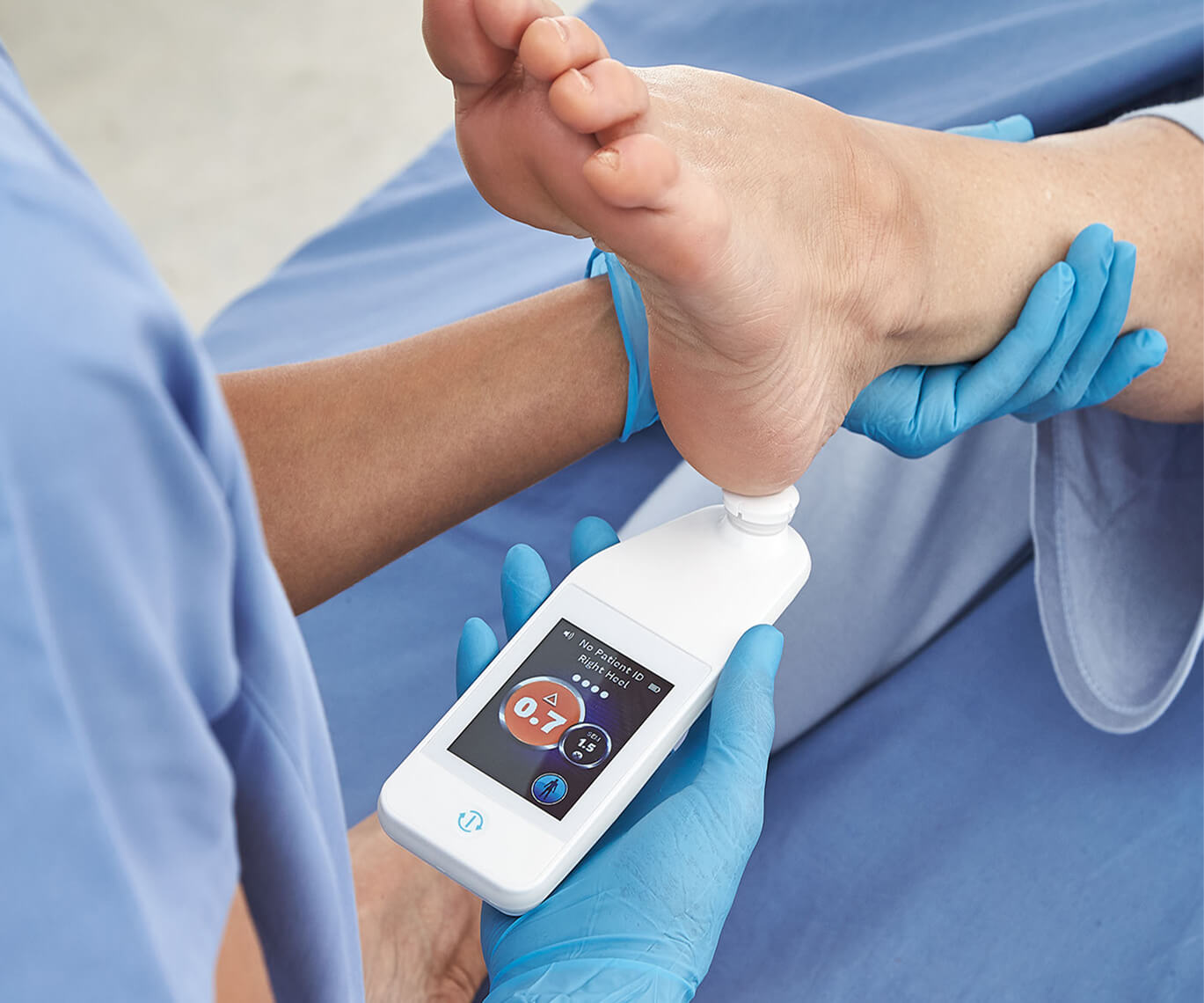
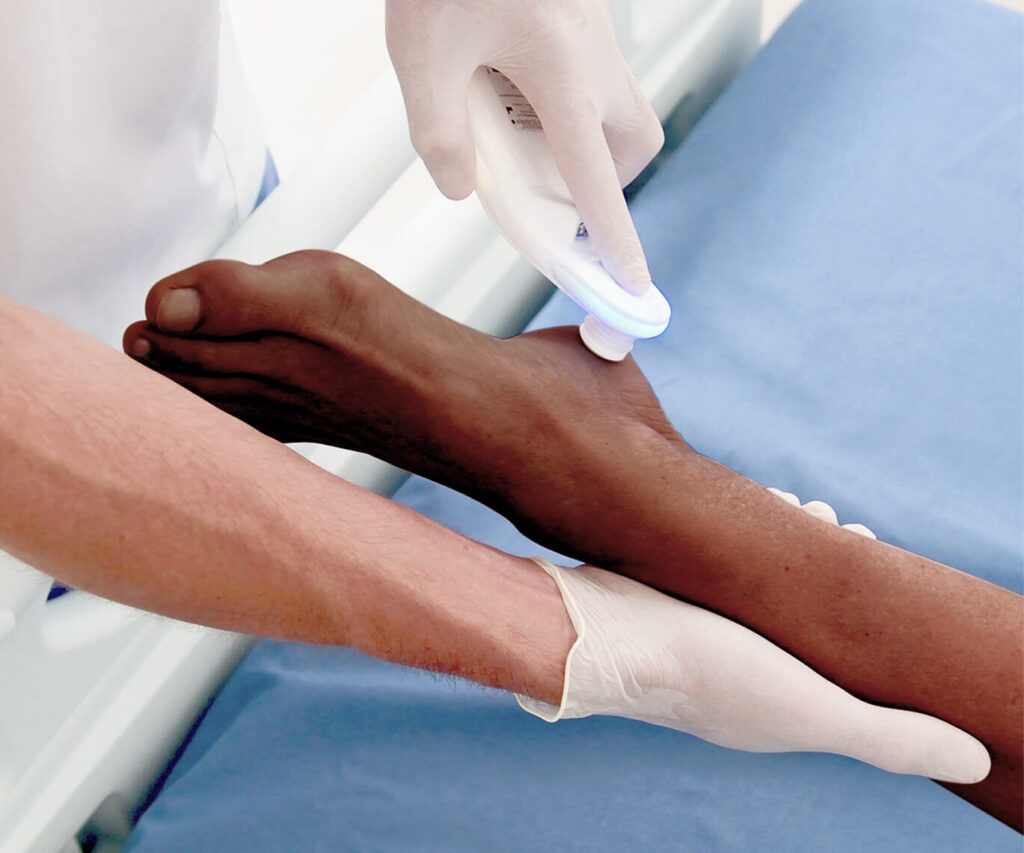
Our Provizio® SEM Scanner detects SEM (persistent focal edema) 5 days (median) before visual skin assessments,1 providing in-depth insights for timely and targeted interventions. As one clinician described it, “Early [PI] identification with the SEM scanner device is a ‘crystal ball.’”
Zero HAPIs in 147 High-Risk Oncology Patients in 30 Days
Reducing HAPI's in the oncology unit.
View Case Study

SEM Scanning Drives 4 ICUs to ZERO HAPIs for the First Time in 20+ Years
Eliminating preventable HAPI's in ICU's at a large urban academic medical center.
View Case Study
SEM Scanning Makes Zero Pressure Injuries Attainable
Utilizing the Provizio® SEM Scanner at a World-Renowned Academic Medical Center
View Case Study
We can identify [pressure injuries] early and pick them up early. So we can put in our interventions, so it doesn't progress into something worse. That’s best practice.
WOCN
230-Bed U.S. Hospital
Trust the Science, Treat the Delta
It’s as simple as this: if the SEM Delta™ is green, proceed as usual. If the SEM Delta™ is orange, tissue damage is present and you should intervene according to your PI prevention protocol.
Focus on Patients, Not Paperwork
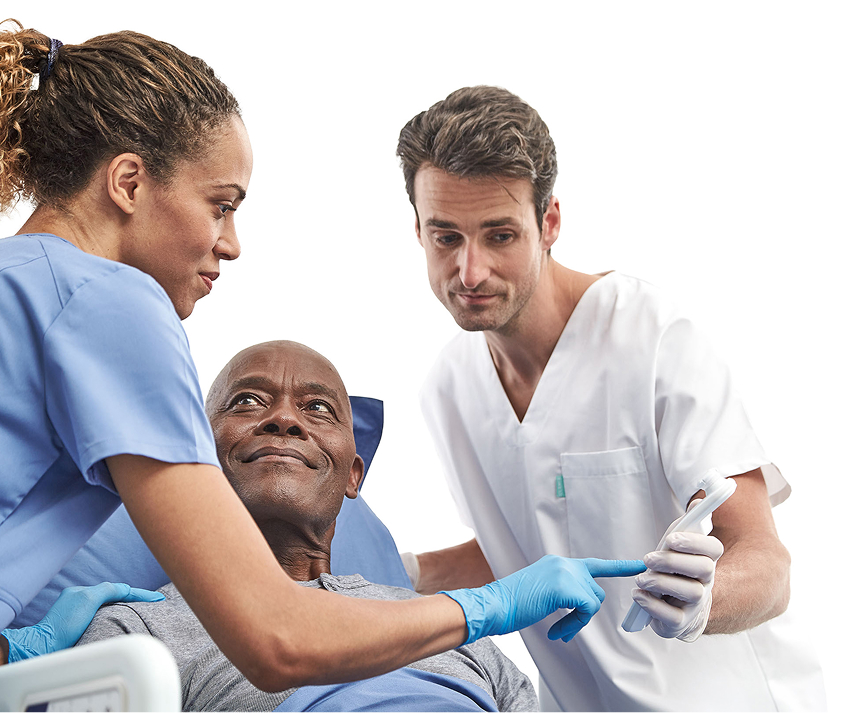
Reduce administrative burdens and burnout with the pressure injury prevention system that lets you focus on patient care.
PI Prevention that Doesn’t Drain You
Let PIPPA™, your Pressure Injury Prevention Personal Assistant, integrate SEM data and reporting automatically in your EHR so you get more time back.
Do No Harm
Explore proven clinical solutions to achieve zero preventable pressure injuries.
SEM Scanning Is Recommended Globally



Frequently Asked Questions
Can unlicensed personnel perform the scans?
If delegated under facility policy, trained unlicensed assistive personnel (UAP) can perform scans and report elevated SEM Delta™ (∆) data to the licensed nurse.
How does scanning help on med-surg units?
Abnormal SEM values can be detected as early as Day 0 (the day of surgery). Scanning pre- and post-operatively ensures surgery-related injuries are identified immediately.
What if a patient is mobile (“walkie-talkie”) but has an elevated SEM Delta™ (∆)?
Ambulatory patients can still experience high-pressure loading from prolonged sitting or footwear. An elevated SEM Delta™ (∆) reflects the local tissue response regardless of mobility level.
Does the scanner work for patients with generalized edema?
Yes, while generalized edema increases systemic fluid levels, the SEM Delta™ (∆) accounts for this baseline by measuring the variance between SEM measurements in healthy and compromised tissue.