SEM Delta (∆) is a simple way of identifying where pressure injury risk is developing beneath the skin before it becomes visible.
It helps clinicians move from guessing risk across the whole body to identifying specific areas that need attention now.
A Quick Recap: What Is SEM?
Sub-epidermal moisture (SEM) is the build-up of fluid beneath the skin, also known as persistent focal edema.
It occurs early in the pressure injury damage cascade:
- Pressure and shear damage cells
- The body responds with inflammation
- Fluid leaks into the tissue (SEM)
This fluid build-up happens before any visible skin damage appears, making it one of the earliest signs of developing pressure injury.
What Is a SEM Delta (∆)?
A SEM Delta (∆) is a value that shows how much SEM varies across a specific area of the body.
Rather than relying on a single reading, the device:
- Takes multiple measurements around the same anatomical site (e.g. heel or sacrum)
- Compares those readings
- Calculates a “Delta” (difference) value
This SEM Delta highlights whether there is localized fluid build-up, which may indicate early tissue damage.
How Is SEM Delta Measured?
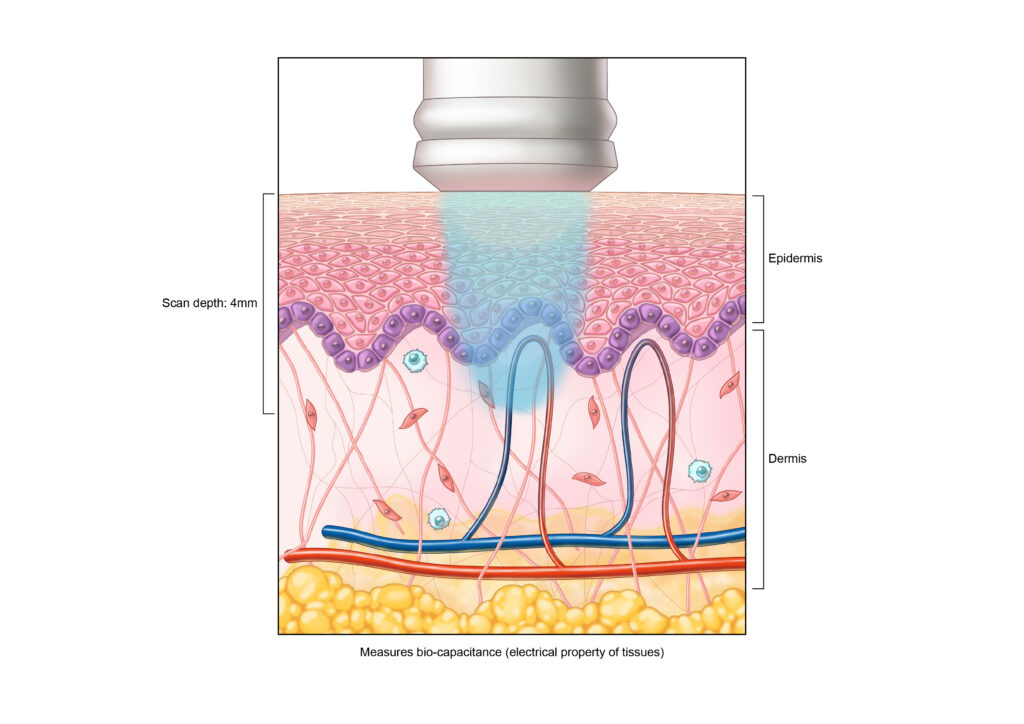
The Provizio® SEM Scanner is a handheld device that measures SEM using biocapacitance.
- The sensor is placed on the skin
- It measures tissue moisture beneath the surface (up to ~4mm deep)
- Readings are converted into SEM values
- A SEM Delta (∆) is calculated from multiple readings at that site
The result is a simple, objective number that helps guide clinical decisions.
What Do SEM Delta Values Mean?
SEM delta values help indicate whether tissue at a specific site may be at risk:
SEM Δ < 0.6 suggests lower risk at that anatomical site
SEM Δ ≥ 0.6 suggests increased risk and potential early tissue damage
Simple way to think about it: A higher SEM delta means fluid is building up beneath the skin and that area needs attention.
Why SEM Delta Matters
Traditional approaches rely on overall risk scores, visual skin assessment and clinical judgement.
These methods are often subjective, do not identify where damage is developing and detect injury only after it becomes visible.
SEM Delta changes that by providing objective, data-driven insight, anatomy-specific information and earlier detection before visible damage appears
From Detection to Action
SEM Delta plays a key role across the full prevention pathway:
Detection: Elevated SEM Delta values identify areas where tissue damage is occurring — often days before visible damage.
Treatment: A raised SEM Delta should be treated as a condition to treat as an early-stage pressure injury.
Prevention: Targeted interventions (e.g. offloading, repositioning, protection) can help:
- Reduce SEM Delta levels
- Reverse early damage
- Prevent the injury from progressing
Why This Is Important
By the time a pressure injury is visible, tissue damage has already occurred.
SEM Delta helps clinicians:
- Identify tissue damage in progress earlier
- Focus on the right anatomical locations
- Act before damage reaches the skin surface
In simple terms, SEM Delta helps answer the critical questions:
- Where is PI damage starting?
- What specific anatomical location should I place an intervention?
- Are the interventions we’ve placed working to reverse the damage in progress?